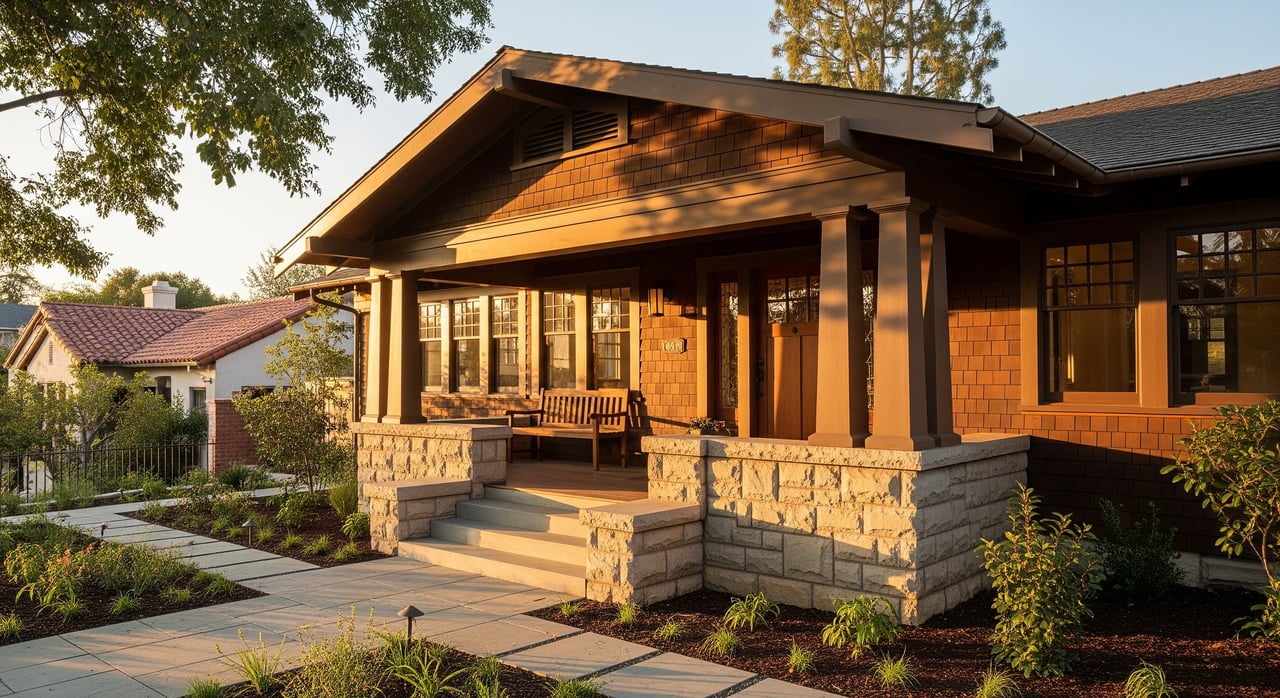
Do wide eaves, warm wood, and a welcoming porch catch your eye every time you drive through Pasadena? You are not alone. Craftsman homes are part of the city’s DNA and remain some of the most loved properties on the market. In this guide, you will learn the styles you will see, the hallmark features that signal authenticity, how preservation works in Pasadena, and what buyers and sellers should know to protect value. Let’s dive in.
Why Pasadena Craftsman matters
The Craftsman style grew from the early American Arts and Crafts movement. It pushed back against mass production and celebrated handcraft, natural materials, and visible structure. Pasadena became a showcase for the full range of this architecture, from modest bungalows to high-style commissions by renowned architects.
The Gamble House stands as a touchstone for this legacy and highlights how refined the style can be at its best. You will also find intact concentrations of Craftsman-era homes in neighborhoods such as Bungalow Heaven and several local historic districts. Most Pasadena Craftsman homes date from the early 1900s through the 1920s, with some later examples into the 1930s, which influences what materials and systems you will encounter today.
Styles you will see in Pasadena
California bungalow
These are 1 to 1.5-story homes with compact footprints and welcoming front porches. They were built for early suburban growth and often offer just the right scale for first-time buyers. Expect simple rooflines, a cozy living room, and efficient kitchens.
Craftsman four-square and larger homes
These boxier two-story homes have hipped or cross-gabled roofs and more formal layouts. You may see larger service areas and four main rooms per floor. They feel generous without losing the handcrafted details that define the style.
High-style Craftsman
Influenced by master builders like Greene and Greene, these homes show custom joinery, art glass, complex rooflines, and integrated furnishings. Materials and craftsmanship are a focal point. These properties are rarer and often command strong interest.
Eclectic or transitional Craftsman
Many Pasadena homes blend Craftsman elements with Tudor, Colonial Revival, or Mission and Spanish influences. You might see Craftsman porches paired with stucco walls or grouped wood windows within a different revival vocabulary. These hybrids are common and part of the period’s evolution.
Exterior hallmarks to spot
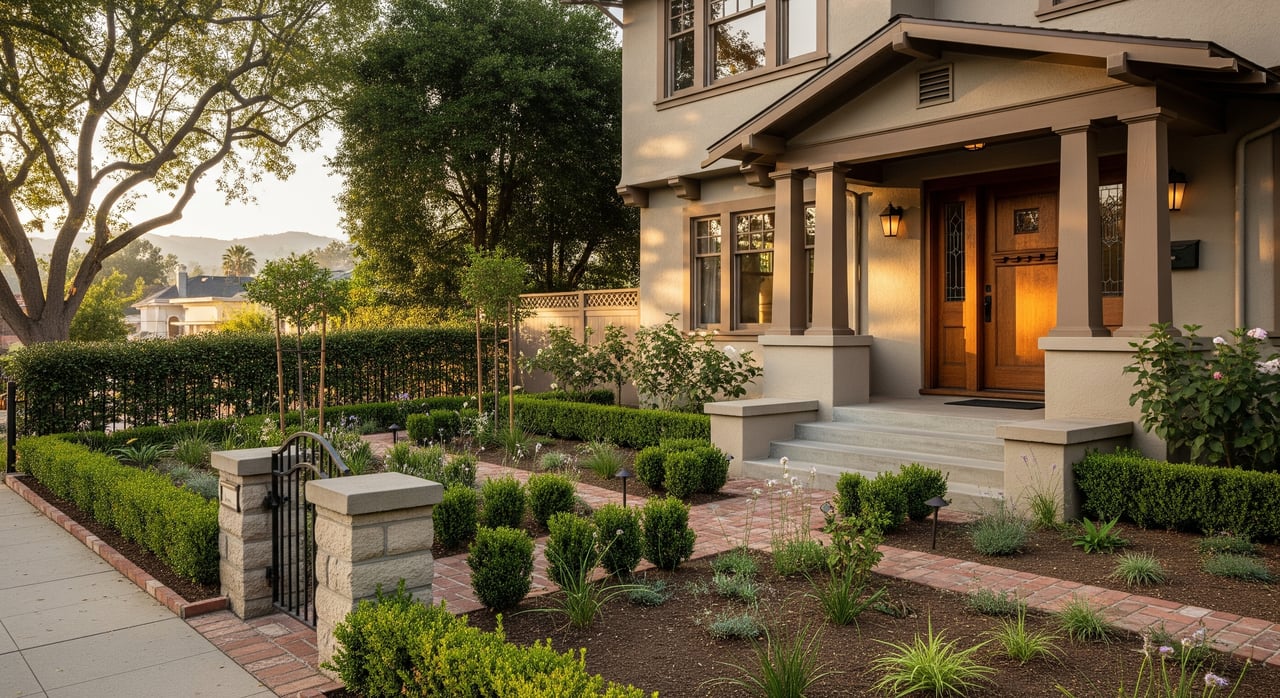
- Low-pitched roofs with wide overhanging eaves and exposed rafters or decorative beam ends.
- Substantial porches with tapered square or battered piers on brick, stone, or heavy bases, often with low connecting walls.
- Natural materials such as wood siding or shingles, and sometimes stucco in certain variants.
- Wood windows that are often double-hung with multi-pane uppers over single-pane lowers. Grouped windows and art glass appear in higher-end homes.
- Distinctive trim including knee braces, rafter tails, wide fascia boards, and substantial brick or stone chimneys.
Interior features that define the style
- Open but zoned living with defined living, dining, and kitchen areas and a smooth sense of flow.
- Built-ins that may include bookcases, window seats, dining sideboards, and inglenooks.
- Rich woodwork such as boxed beams, wainscoting, paneled doors, and original hardware.
- Fireplaces as focal points featuring tile surrounds, wood mantels, and prominent hearths.
- Original hardwood floors that may feature patterns in higher-style homes.
Typical floor plans and flow
- One to two-bedroom bungalows. A front porch leads to a central living room, a small dining area, and a compact rear kitchen. You may see a back or sleeping porch.
- Three-bedroom family bungalows. Side-hall or center-hall layouts place two or three bedrooms off a corridor with a separate dining room.
- Two-story four-square. Often organized around a central staircase with four major rooms per floor or a central living room flanked by other spaces.
- Common additions. Many Pasadena Craftsman homes have rear or second-story additions, enclosed porches, or converted attics. These adjustments can change circulation and affect historic integrity.
Authenticity and what to preserve
Authenticity hinges on character-defining features. Outside, the roof form, porch proportions, windows and doors, original wood siding or shingles, and trim details matter most. Inside, look for built-ins, mantels, wood paneling, original floors, staircases, and art glass.
Alterations that typically diminish authenticity include enclosing the front porch, replacing original wood windows with incompatible units, covering wood siding with vinyl or aluminum, applying synthetic stucco, removing built-ins, or changing the roofline. Poorly integrated modern systems can also distract if they cut through decorative elements or are overly visible.
When planning work, identify features visible from the street and those central to the original design. Consider whether each change is reversible or irreversible. Aim to repair and retain original material whenever possible, and plan new work that is compatible without pretending to be original.
Pasadena preservation and approvals
Pasadena has local historic preservation staff, design review, and a Cultural Heritage Commission. Some neighborhoods or properties have landmark or district designations that can trigger review for exterior changes. Always confirm whether a home is individually designated, is a contributing resource in a district, or is non-contributing.
Regulatory review often focuses on exterior changes visible from the public right-of-way. Interior work usually has fewer restrictions unless a property carries specific conditions. Review can affect demolition plans, window and porch changes, and timelines for permits, so plan early.
Many California cities participate in property tax incentive programs such as the Mills Act. Local eligibility and obligations vary, so verify details with the City of Pasadena and the county assessor. If you plan rehabilitation, look to the Secretary of the Interior’s Standards for guidance on best practices.
Common repairs and smart upgrades
Older Craftsman homes reward thoughtful care. Expect to evaluate the following:
- Foundation and seismic. Raised or unreinforced foundations may show settlement. Seismic retrofits are common in California and should be detailed to protect historic fabric.
- Electrical. You may find knob-and-tube wiring, cloth-insulated conductors, or undersized panels. Upgrades improve safety and marketability.
- Plumbing. Original galvanized or cast-iron lines can restrict flow or leak. Replacement and updated fixtures are typical.
- Thermal comfort. Many homes have little insulation and single-pane windows. Discreet HVAC, attic insulation, and targeted wall insulation where feasible help comfort without sacrificing character.
- Windows. Original wood windows are often repairable. Weatherstripping, storm windows, and selective replication can boost performance while preserving value.
- Moisture and pests. Termites, dry rot, and water intrusion often appear at porch connections, sill plates, and eaves. Proper drainage, flashing, and regular maintenance are essential.
Follow minimally invasive methods. Place new mechanicals in secondary spaces where possible, and document existing finishes so you can match them later. Choose replacement materials that match the original when repair is not possible.
Buying a Pasadena Craftsman
A Craftsman purchase balances charm and practical updates. Budget for system upgrades if the home retains early wiring, plumbing, or seismic conditions. Ask inspectors to evaluate wood windows, foundations, moisture conditions, and the roof.
Appraisals for historic homes should consider intact features and quality workmanship. When financing purchase-plus-renovation, buyers often use conventional loans or look to rehabilitation options such as FHA 203(k) or Fannie Mae HomeStyle Renovation. Insurance can involve higher premiums for older construction, so consult providers familiar with historic housing.
If the home sits in a historic district, factor in design review for exterior changes. This can lengthen schedules and affect scope, so confirm status early in escrow.
Selling a Craftsman for maximum value
Your goal is to present authenticity and livability. Document original features with clear photos and descriptions. Highlight preserved built-ins, art glass, original floors, mantels, and woodwork.
If you have completed upgrades, showcase the scope and permits, especially for seismic retrofits, electrical and plumbing updates, roofing, HVAC, and any window restoration. If improvements are needed, prioritize items that affect financing and insurance first, then address visible character features that shape buyer perception.
For the sales strategy, a well-staged MLS listing can reach the right audience, especially in historic districts. For sellers seeking speed, competitive price discovery, or control over terms, a non-distressed live auction can be an effective alternative. It concentrates demand, offers clear timelines, and can deliver certainty while honoring the home’s story.
Work with a local advocate
Whether you are buying a period bungalow or preparing a legacy Craftsman for market, you deserve a plan that respects the architecture and meets your goals. With hands-on staging, project coordination, and both traditional and auction pathways, you can position your home with confidence. If you would like a thoughtful strategy tailored to your property and timeline, connect with Angela Waters for a conversation.
FAQs
How do I identify an original Craftsman window in Pasadena homes?
- Original windows are typically wood with thicker profiles, consistent muntins, and older glazing or hardware. Replacements often use vinyl or metal with thinner frames and standardized panes.
Are single-pane Craftsman windows energy efficient for Pasadena’s climate?
- Not by themselves, but weatherstripping, storm windows, and careful repair can improve performance while preserving historic character and embodied energy.
Do Pasadena historic districts restrict interior changes to Craftsman homes?
- Local review usually focuses on exterior elements visible from the street. Interiors often have fewer restrictions unless a property has specific landmark conditions. Always confirm with the city.
What renovation costs should I plan for when buying a Craftsman?
- Costs vary by scope, but typical items include seismic retrofits, electrical panel and wiring upgrades, plumbing replacements, roof and drainage work, and selective window repair or replication.
What incentives can help offset Craftsman preservation in Pasadena?
- Many California cities offer programs such as the Mills Act that can reduce property taxes in exchange for preservation commitments. Eligibility and rules vary, so verify locally.
Which repairs most improve marketability when selling a Craftsman?
- Prioritize safety and financing items first, such as electrical, plumbing, roof, and seismic. Then focus on visible character features like window repair, porch restoration, and refreshed wood finishes.