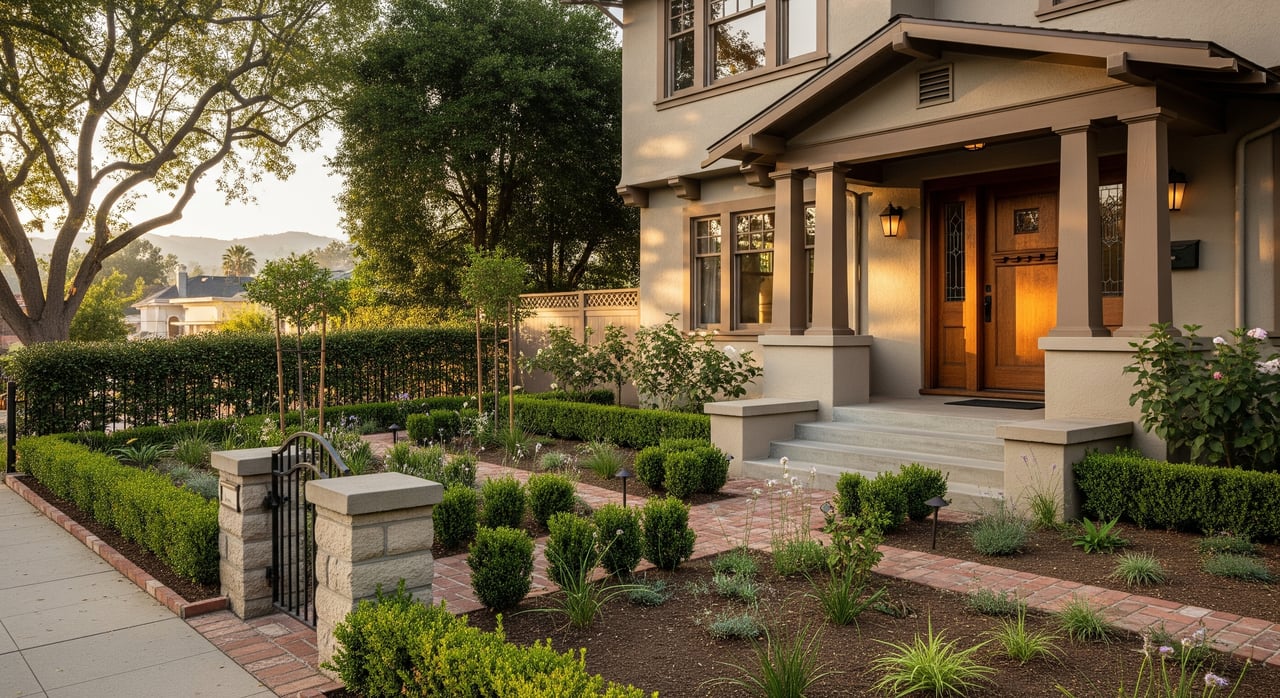
Is your Pasadena home worth more than the place down the block? In this city, two streets can live in different markets. If you want to price right, you need a plan that respects Pasadena’s micro-markets, historic rules, and appraisal realities. In this guide, you’ll learn a step-by-step path to a confident list price and the practical moves that help you defend it. Let’s dive in.
Start with your pricing goal
Before you look at numbers, get clear on what matters most. Do you want the highest possible net, the fastest close, or a balance of the two? Your goal shapes your pricing strategy, timing, and negotiation stance.
Think about your timeline, your tolerance for showings, and how you will handle repairs or credits. Then choose a strategy that fits the current Pasadena market and your specific neighborhood.
Understand Pasadena’s micro-markets
Pasadena is not one market. Price per square foot and buyer demand vary widely by pocket. Your list price should reflect the exact streetscape, architecture, and lifestyle drivers around you.
What drives value by pocket
- Old Pasadena and the Playhouse District: Urban core with walkable retail and condo or loft demand. Transit access often matters.
- Bungalow Heaven and Northwest Pasadena: Early 20th-century Craftsman stock and preserved streetscapes. Authenticity and condition can command premiums.
- Hastings Ranch, San Rafael, East Pasadena: Suburban feel and larger lots. Family buyers may value space and yard utility.
- Northeast Pasadena and the foothills: Hillside settings, steeper lots, and city or mountain views. Privacy and outlook drive pricing.
- Linda Vista and Chapman Woods: Larger parcels and architecturally significant homes. Provenance and design pedigree influence value.
- South Lake and near Metro L stations: Transit proximity and retail convenience can widen the buyer pool.
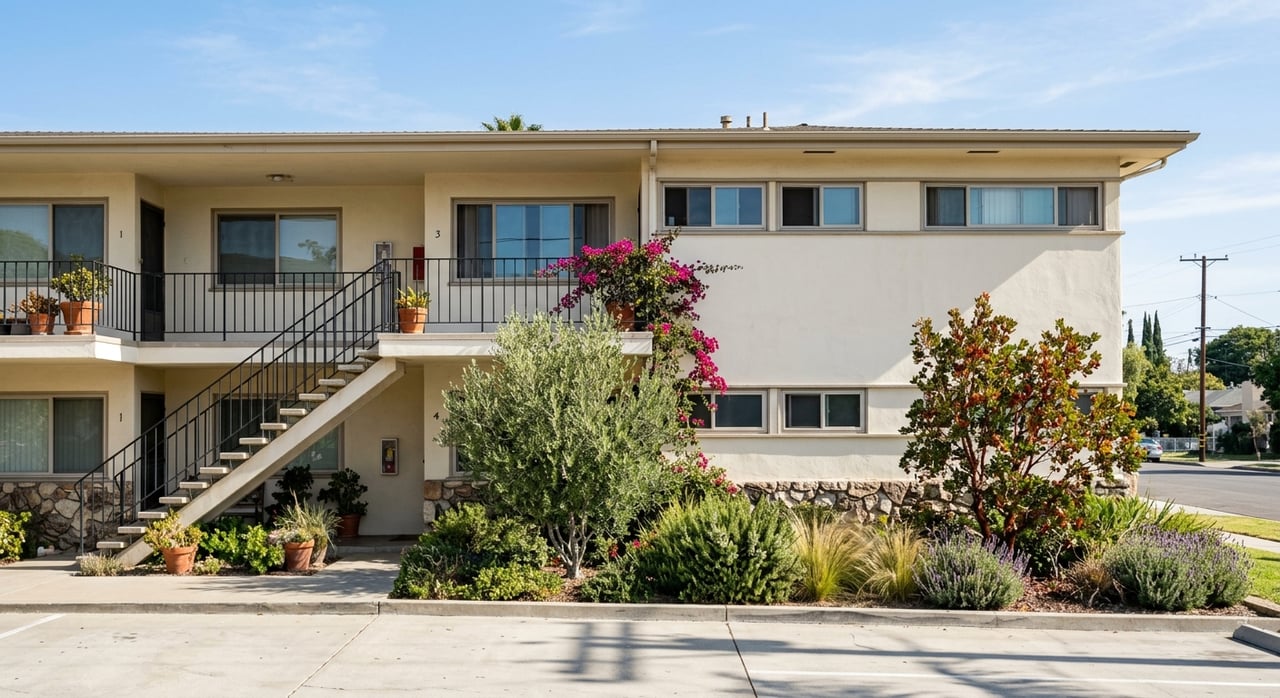
- Multi-unit pockets: Small apartments and duplexes are often valued by income approach rather than simple comparable sales.
Key local value drivers
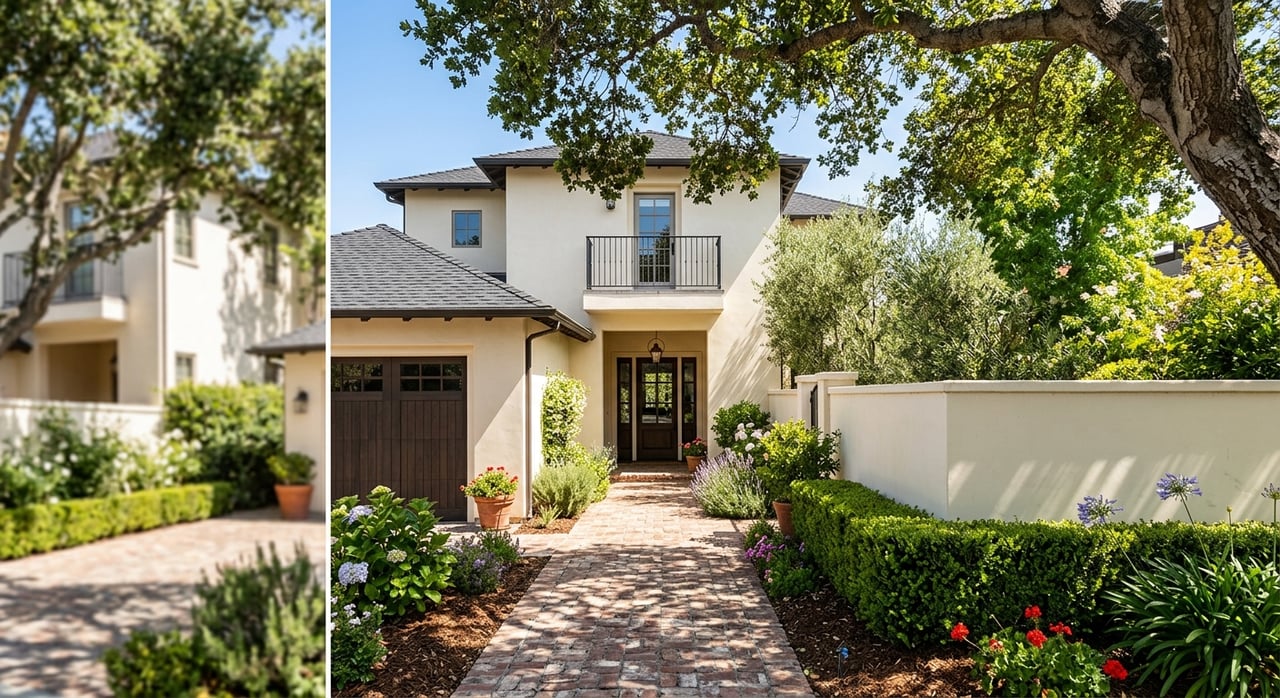
- Architecture and authenticity: Craftsman, Spanish Revival, and Mid-century homes, especially with known architect influence, often outperform generic stock.
- Historic status and overlays: Rules can affect both demand and days on market. Some buyers prize preservation, others prefer easier remodeling.
- Access and location: Proximity to Metro L line, Old Pasadena retail, and 210 or 134 freeways can lift demand.
- Schools: Public attendance boundaries and nearby private schools can shape buyer priorities. Keep references factual and neutral.
- Lot and topography: Views, privacy, and usable outdoor space usually add value compared to infill or sloped lots with limited utility.
- Financing climate: Interest rates and loan limits segment the buyer pool, especially where prices trigger jumbo financing.
Historic overlays and architecture
Historic character is part of Pasadena’s appeal. It also shapes pricing and marketing.
HPOZ basics
Historic Preservation Overlay Zones set design review standards for exterior work. That can be a positive for buyers seeking intact streetscapes and original details. It can also narrow the buyer pool for homes that need exterior changes or for buyers who want larger remodels. Disclose HPOZ status early and set expectations about approvals.
Mills Act considerations
Some qualified historic properties may benefit from a Mills Act contract that can reduce property taxes in exchange for preservation work. The tax benefit can be attractive for long-term owners. It also carries maintenance obligations that buyers and sellers should understand before pricing.
Architectural premiums and permits
- Authentic details and documented provenance can justify higher pricing and may support appraisals.
- Permitted, quality renovations tend to sustain value. Unpermitted additions or garage conversions often slow a sale or reduce price unless regularized pre-listing.
- Mid-century modern and notable revival-era homes in good condition often draw strong interest when marketed with proper documentation.
Get real about appraisals
In Pasadena, appraisers lean on the sales comparison approach and start as close to your micro-market as possible. Unique homes can challenge this process.
How appraisers comp Pasadena homes
- They prioritize nearby, recent sales and adjust for square footage, lot, upgrades, view, and historic factors.
- For distinctive architecture with few comps, they may broaden the search area or rely on paired sales analysis.
- They consider financing realities. If your price places buyers in jumbo territory, the buyer pool may narrow.
Avoid common appraisal pitfalls
- Document square footage with floor plans and permits to prevent measurement disputes.
- Provide evidence of major improvements such as foundation repairs, roof, HVAC, and permitted kitchen or bath work.
- Clarify status and use of ADUs. Permitted ADUs often add contributory value based on acceptance and potential income.
Prepare for appraisal gaps
Competitive listings can attract offers above list. If the appraisal lands below contract price, you may face a gap. You can reduce risk by requiring strong pre-approvals, considering escalation clauses, or obtaining a pre-listing appraisal on unique properties to set a defensible list price.
Choose your pricing strategy
There is no single right number. Pick the strategy that fits your pocket, the season, and your goals.
- Market-value pricing: List at a price supported by recent comps and current inventory. Best in stable or cooling segments where overpricing leads to longer days on market.
- Strategic underpricing: Useful in tight-inventory pockets like Bungalow Heaven to spark multiple offers. Risk is leaving money on the table if financing limits cap bidding.
- Slight overpricing: Can create room for concessions when you expect inspection credits. If the market does not meet you, be ready to adjust quickly. Repeated reductions often weaken your position.
- Price band awareness: Align pricing with buyer financing tiers. Small shifts can expand your pool if you land within conforming limits rather than jumbo.
Build a rock-solid CMA
A thoughtful Comparative Market Analysis sets your baseline and supports your price with evidence.
- Use the right radius: Start with immediate streets or the same micro-market before expanding. Pasadena’s variability makes this critical.
- Time frame: Favor sales from the last 6 to 12 months. If the market has shifted, give more weight to the most recent closed and pending data.
- Apples to apples: Adjust for condition, quality of renovations, lot utility, view, and any historic status. Note that authentic architecture can justify premiums when evidence supports it.
- Consider actives and pendings: Competing inventory shapes your launch strategy. Track list-to-sale ratios and days on market in your pocket.
- Check expireds and withdrawn: Patterns here often reveal where the market rejected a price.
Timing and marketing that support price
Southern California often sees strong buyer activity in late winter and spring. If you can time your launch into higher activity, you may benefit from deeper demand.
- Seasonality: Spring exposure can help in family-oriented pockets, but condos near transit may move well year-round.
- Open house or private showings: In walkable neighborhoods, public opens can drive foot traffic. For unique or high-end homes, targeted private showings may create better positioning.
- Specialized marketing: For architectural properties, invest in measured drawings, provenance notes, and architectural photography to support a higher price point.
Pre-listing checklist for pricing defensibility
- Compile documents:
- Permits and final approvals for additions or major work.
- Floor plans and official square footage records.
- HOA documents and recent utility bills if relevant.
- Historic designation files and any Mills Act paperwork.
- Get baseline inspections:
- General home inspection and termite report. Add roof and foundation evaluations for older homes or if issues are suspected.
- Consider a pre-listing appraisal or broker price opinion for unique homes and thin-comp situations.
- Value-forward prep:
- Address high-impact repairs or refreshes in kitchens and baths when feasible.
- Resolve obvious deferred maintenance that could trigger buyer credits.
- Stage strategically and invest in professional photography and a virtual tour to compete online.
Negotiation tools that protect your price
- Escalation clauses: Useful in anticipated multiple-offer scenarios, with clear caps and terms.
- Appraisal gap language: You can request buyers commit to covering a shortfall in cash or limit the appraisal contingency. Use selectively to avoid shrinking your buyer pool.
- Earnest money: Higher deposits can signal commitment and reduce fall-through risk.
- Concessions vs price: Model your net. Sometimes a modest credit preserves your price optics and keeps appraisals cleaner.
When a non-distressed auction makes sense
In Pasadena, distinctive architecture, estates, and properties with thin comps can benefit from price discovery that creates real-time competition. A non-distressed auction provides a defined timeline, transparent bidding, and certainty around terms before bidding begins.
- When to consider: Unique or architecturally significant homes, legacy or estate sales, and situations where speed and certainty matter.
- How it supports price: Competitive bidding can surface true market value when comps are scarce or lagging. Clear terms and due diligence upfront give buyers confidence to bid.
- Your choice: You can compare a traditional MLS listing to a non-distressed auction pathway and pick the route that best aligns with your goals and timeline.
Bring it all together
Pricing your Pasadena home is part science, part storytelling. Your micro-market sets the baseline, your home’s architecture and condition shape the premium, and your timing and strategy convert interest into the right offer. When you prepare, document, and market with intention, you give yourself the best chance to sell with clarity and control.
If you want a focused, data-backed pricing plan and a discussion of traditional listing versus a non-distressed auction pathway, connect with Angela Waters for a calm, transparent strategy session.
FAQs
How should Pasadena sellers set an initial list price?
- Start with a micro-market CMA focused on recent nearby sales, then adjust for condition, lot utility, views, and any historic factors to land on a defensible number.
How do Historic Preservation Overlay Zones affect my price?
- HPOZ status can add value for buyers who prioritize preservation and streetscape integrity but may extend timelines for exterior changes, which can narrow some buyer pools.
Do Mills Act contracts help pricing in Pasadena?
- Potential property tax savings can attract long-term buyers, but obligations exist, so disclose the contract and let the market assign value based on the total package.
What is the best time of year to list a Pasadena home?
- Late winter through spring often sees stronger buyer activity in Southern California, though condos near transit and urban amenities can sell well year-round.
How can I avoid an appraisal gap when selling in Pasadena?
- Price with fresh comps, require strong pre-approvals, consider an appraisal upfront for unique homes, and use clear terms around appraisal contingencies when multiple offers are likely.
Do permitted ADUs raise appraised value in Pasadena?
- Permitted ADUs typically contribute value, with the amount tied to market acceptance, income potential, and how appraisers weigh comparable sales.
When should I consider a non-distressed auction instead of MLS?
- If your property is architecturally unique, part of an estate, or sits in a thin-comp pocket where price discovery matters, a non-distressed auction can provide a faster, competitive outcome.